

Vojtěch Zavadil, CC BY-SA 4.0, via Wikimedia Commons
Wood Species
Amendoim
Pterogyne nitens
- Janka hardness
- 1780 lbf
- Specific gravity
- 0.8
- Workability
- Fairly easy but interlocked grain risks tearout; high silica dulls tools
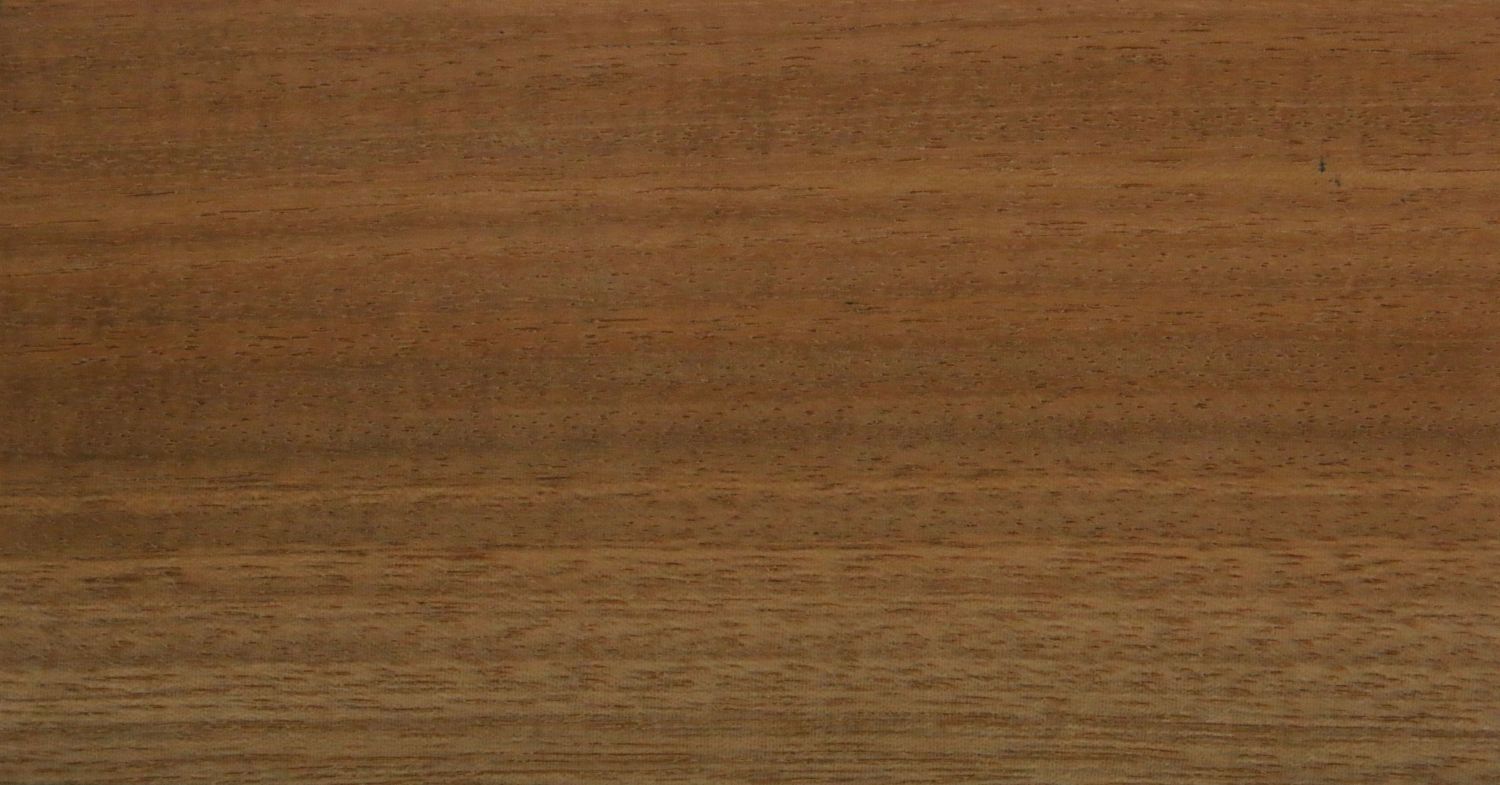
Amendoim (Pterogyne nitens) is a South American hardwood whose heartwood ranges from light to medium reddish-brown, sometimes with darker striping, closely resembling mahogany — and it darkens further with age and light exposure.
Working Properties
Amendoim is fairly cooperative under both hand and machine tools, with one catch — interlocked grain courts tearout, especially while planing. High natural silica content dulls cutting tools faster than the moderate Janka number would suggest on its own. It takes to steam bending well and finishes nicely once you're through the machining stage.
Sustainability
Amendoim is reported by the IUCN as near threatened, though it's not listed in the CITES appendices.
Typical Uses
Flooring (primarily sold as flooring planks), furniture, and cabinetry.
Images
Raw Wood: Polished wood of Pterogyne nitens, known as Amendoim bravo. — Vojtěch Zavadil, CC BY-SA 4.0, via Wikimedia Commons
Images are sourced from Wikimedia Commons under their original open licenses -- see each image's caption for its specific license and attribution.